Item number: 60239
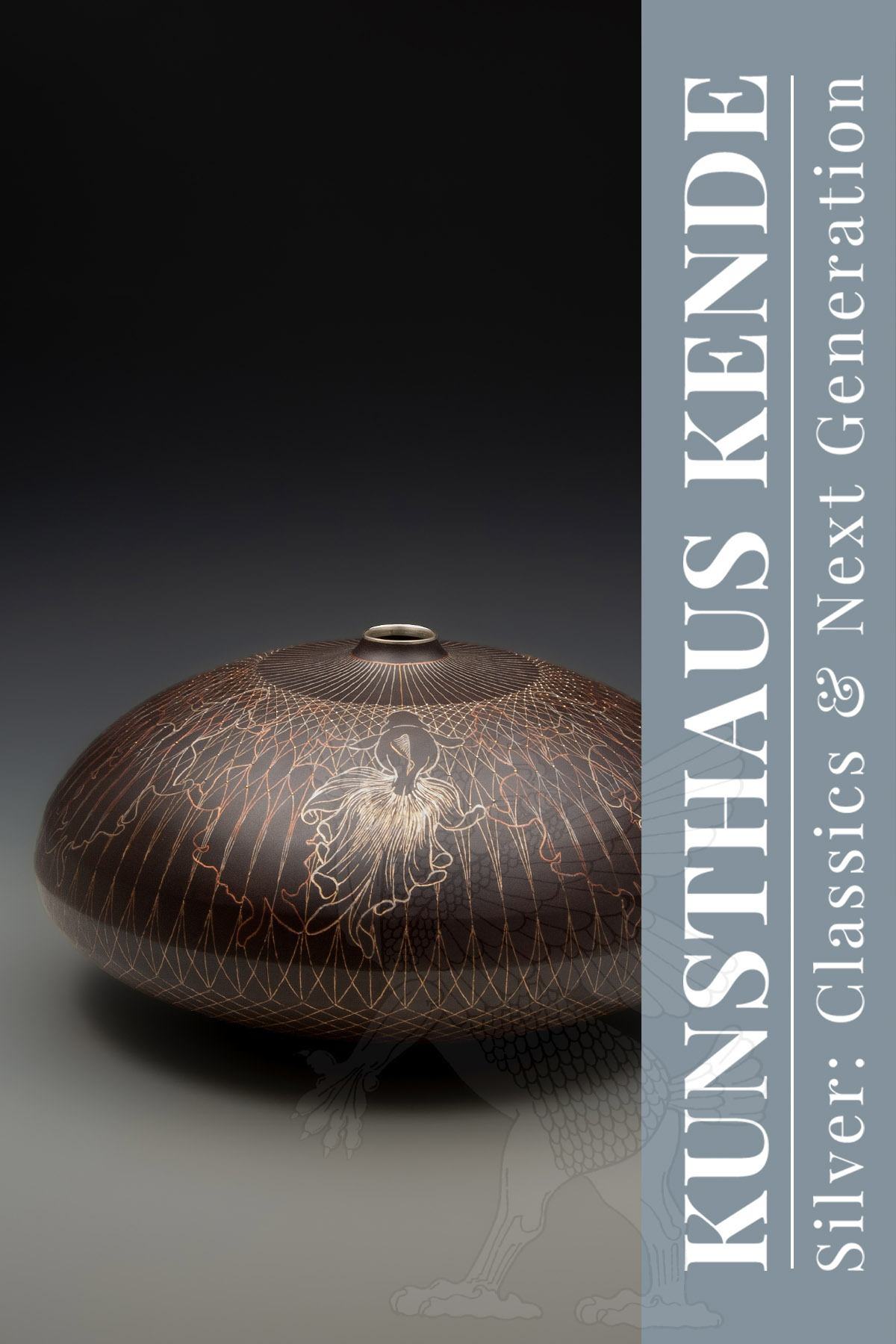
Exceptional Vase in Nanako-Zōgan 清流 (Seiryū) – Clear Stream,
Fine silver, fine gold, copper and iron,
Kanazawa 2016 by Satoshi Hara
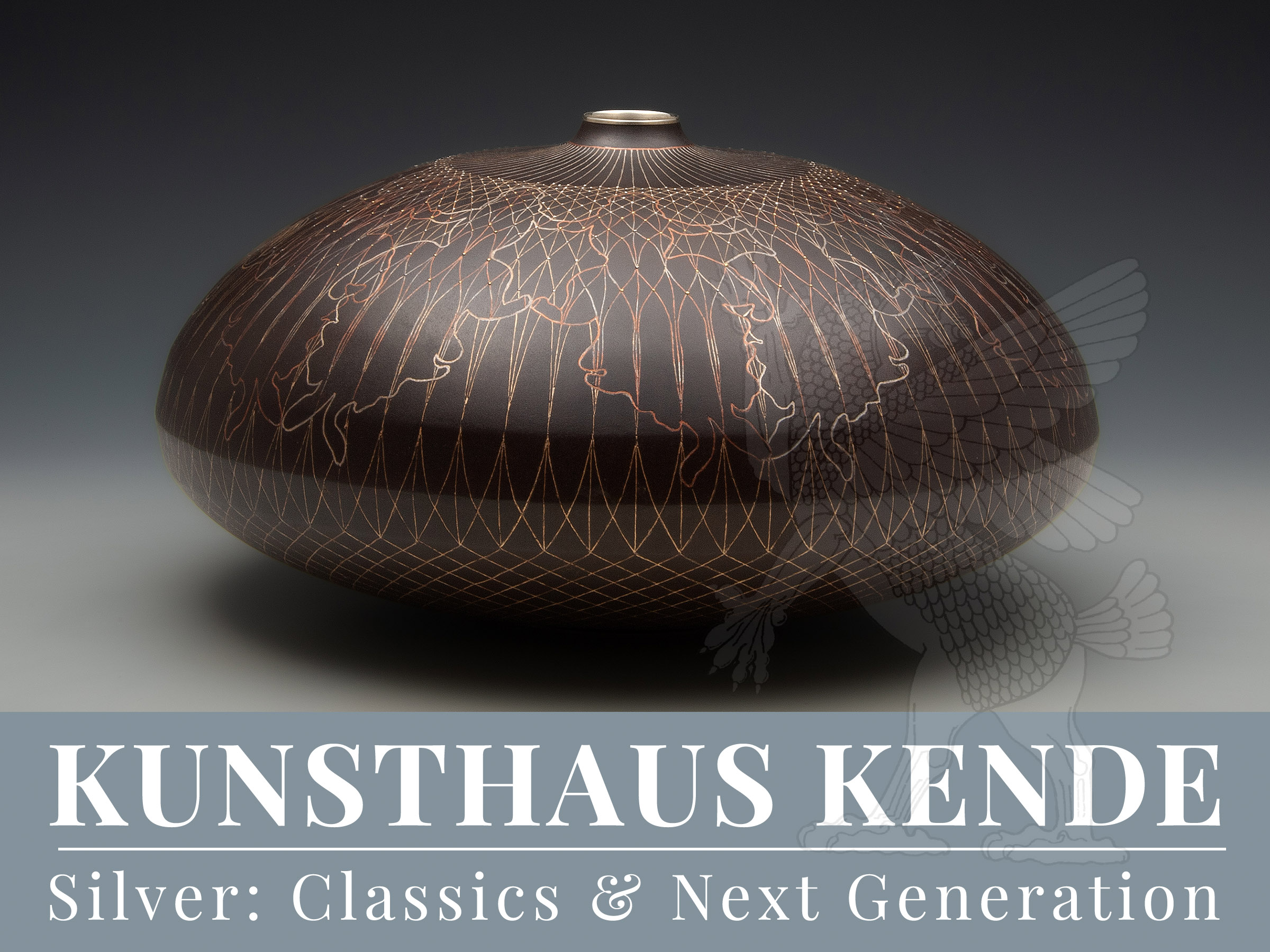
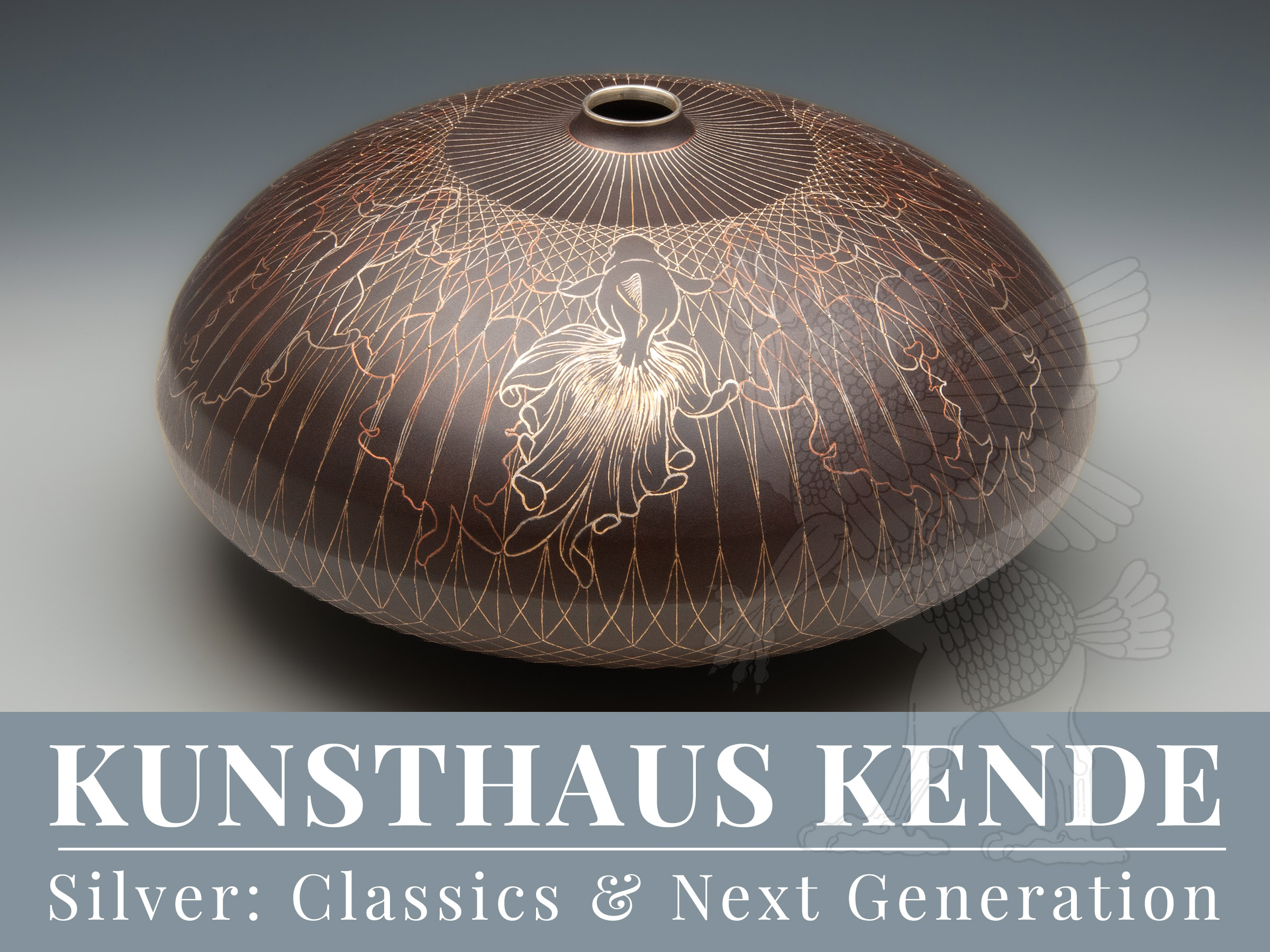
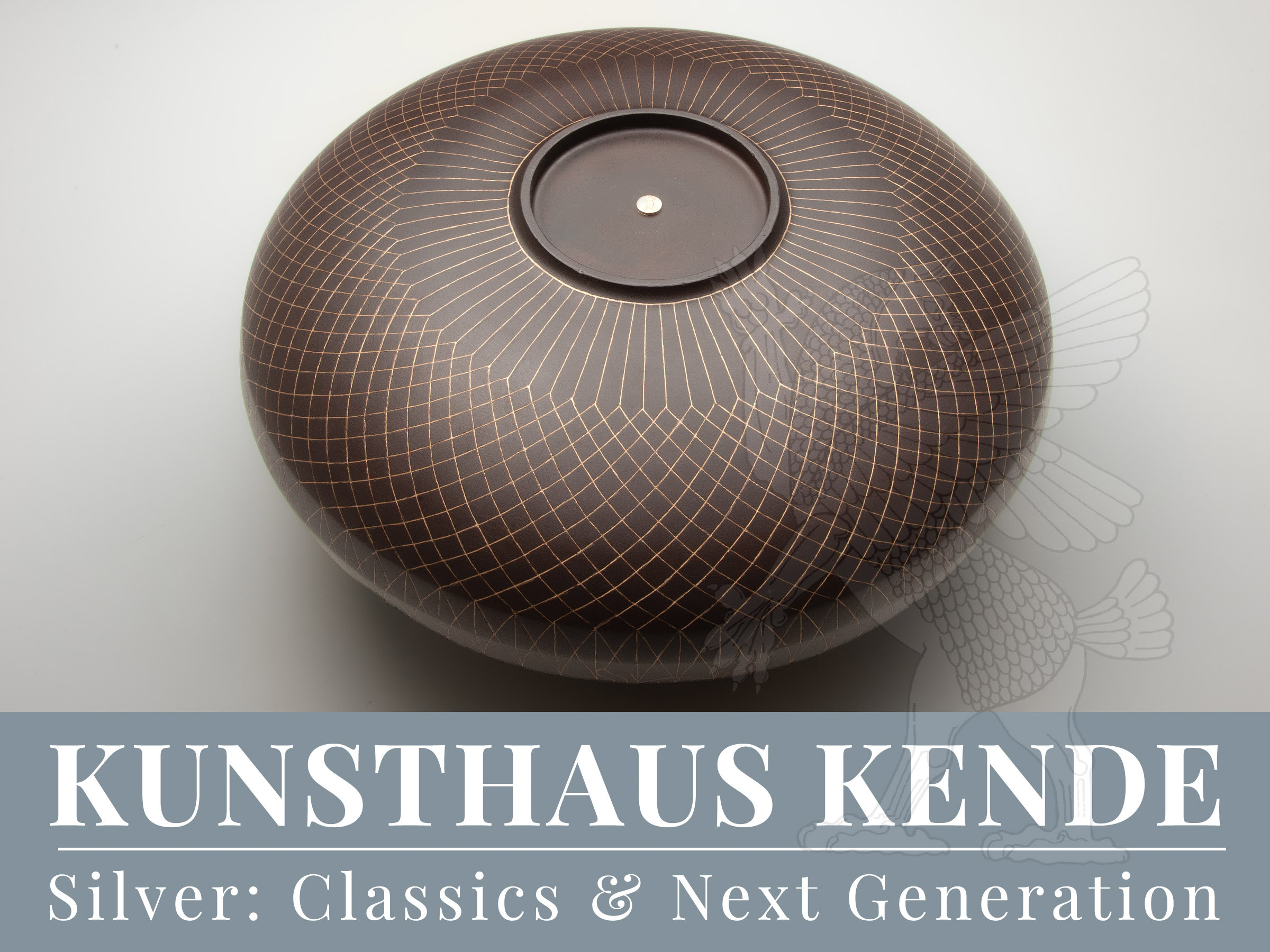
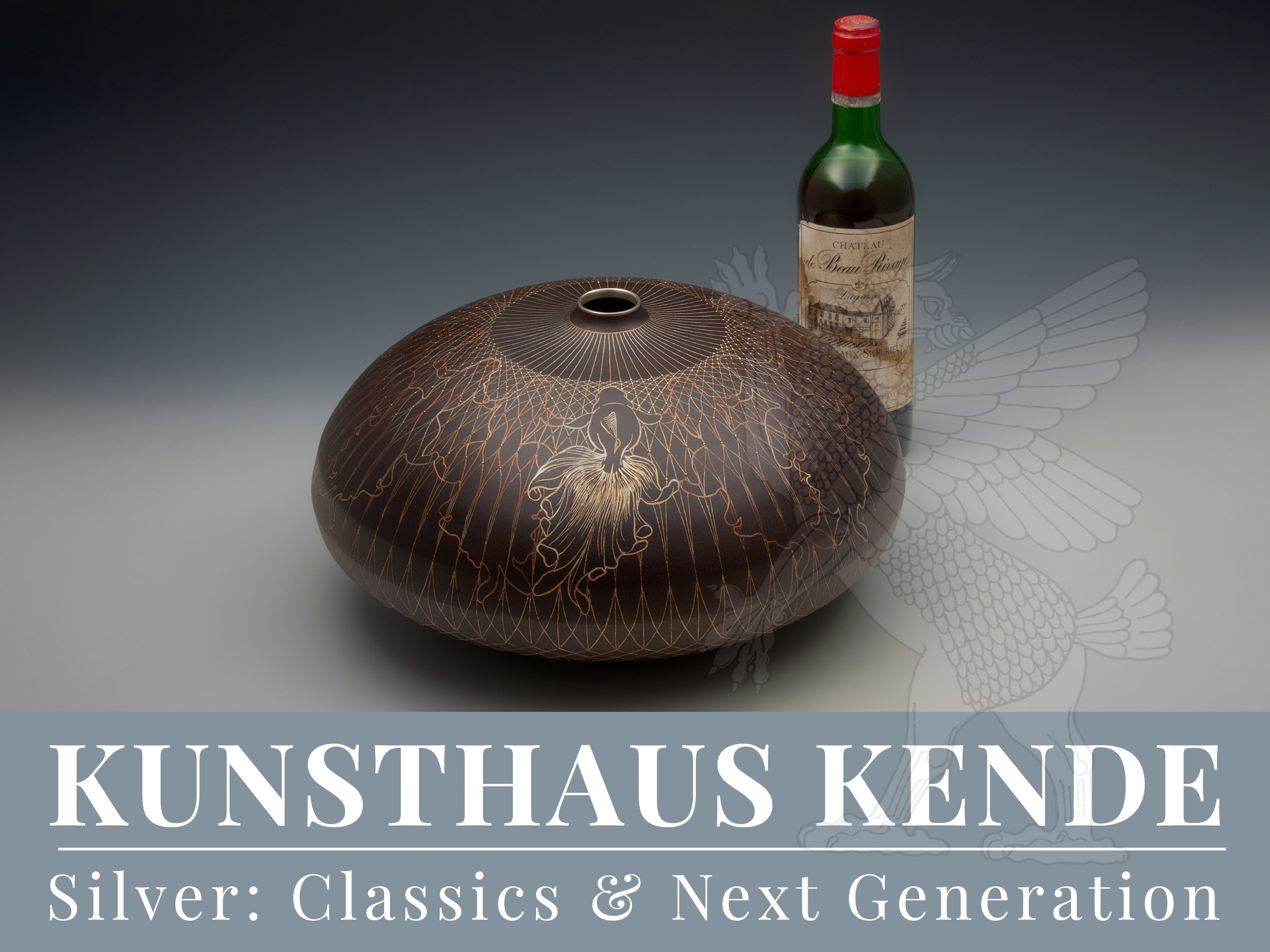
The circular body shaped in the form of a flattened sphere, tapering towards the upper rim and resting upon a slightly raised foot. The outermost sections of the body articulated by triple vertical flutes, ingeniously counterbalancing the visual weight of the design.
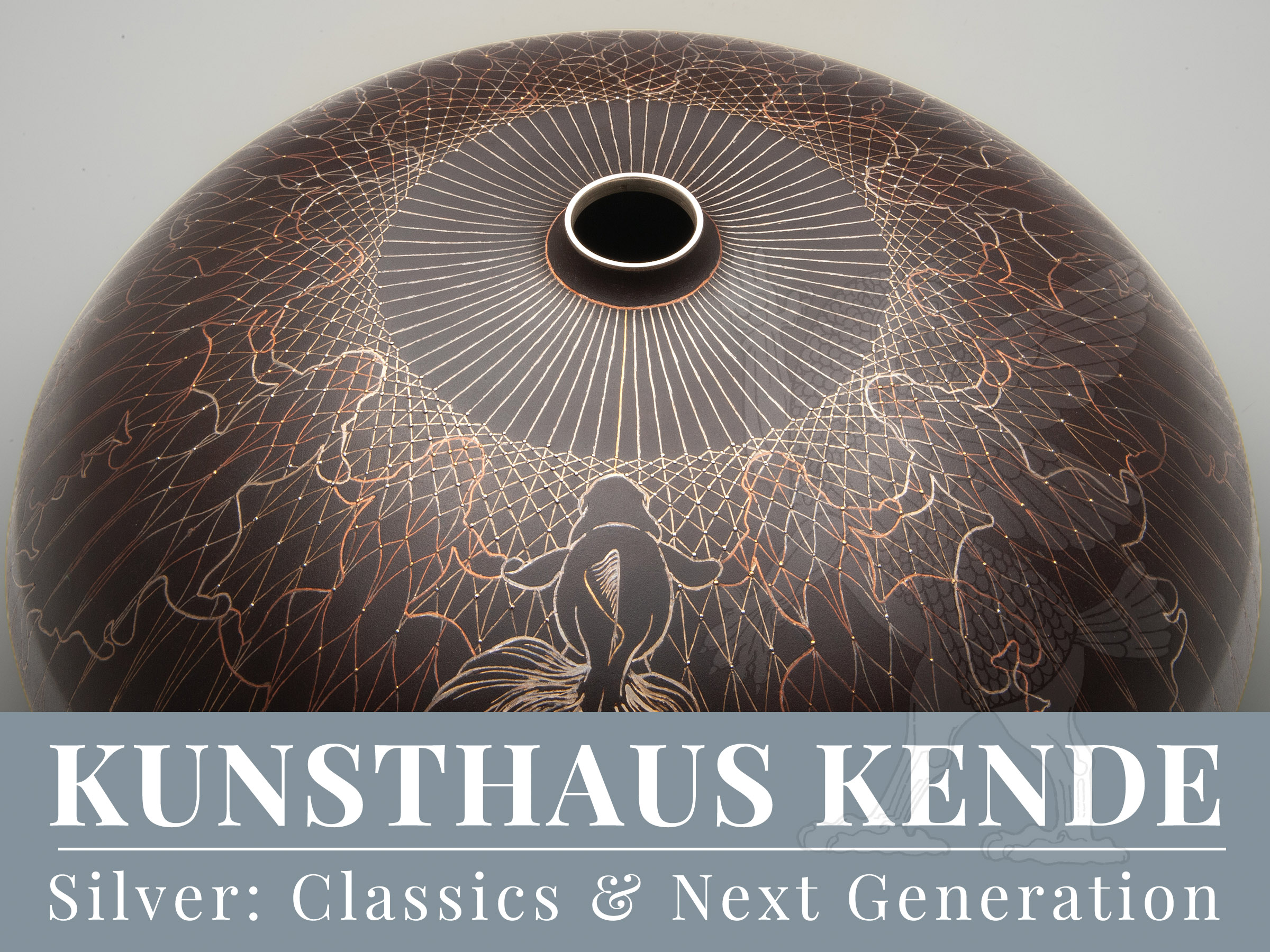
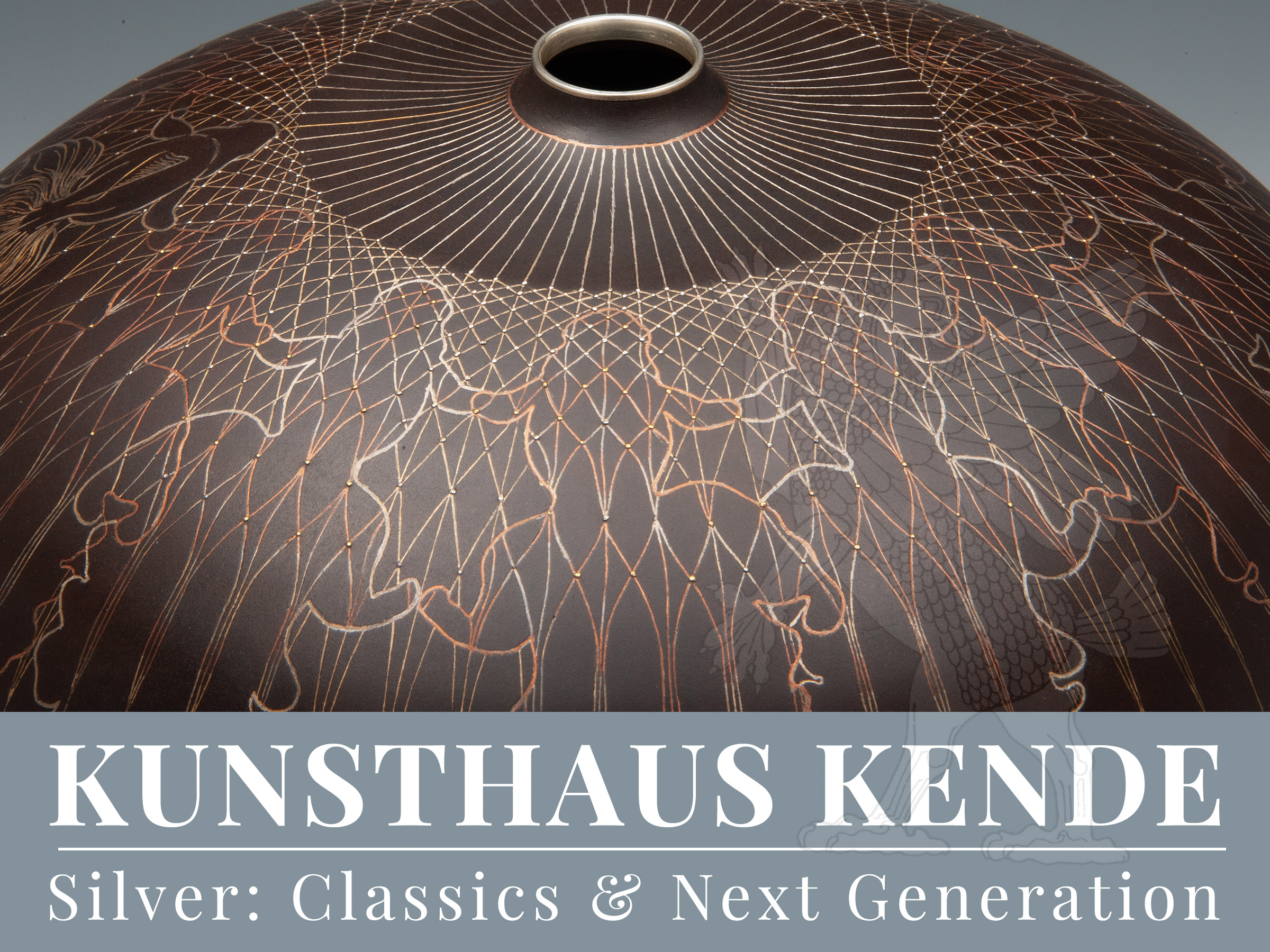
The body adorned with an all-over, reticulated pattern of inlaid gold, over which schools of so-called fantail goldfish are arranged, accentuated by delicate dots of pure gold inlay. The upper rim is executed in hammered silver.
30 cm / 11.81″ diameter, 20 cm / 7.87″ height
Exceptional both in its artistic conception and technical execution, this vase is an outstanding example of the extraordinarily complex Nanako Zōgan technique.
The body of the vase was raised from a single solid plate of iron. Equally remarkable is the exceptional precision of the inlaid lines, each preceded by seven successive stages of manual engraving into the body using a graver. This painstaking technique enables the artist to create works in which the decoration possesses the delicate appearance of a drawing.
In this work, the interplay of differently coloured metals – gold, silver and copper – within the formations of fish evokes the impression of looking into a clear-running stream, where the fish appear to overlap one another in space. The finely inlaid pearl-like motifs recall rising air bubbles, lending the composition a further sense of animation and remarkable depth.
The vase was exhibited in 2016 at the Nihon Dentō Kōgei-ten (日本伝統工芸展), the Japanese Exhibition of Traditional Arts and Crafts, and has remained in the artist’s own collection ever since.
The Japanese metal artist Satoshi Hara
Born in Yokohama, Kanagawa Prefecture, in 1962, the artist specialises in producing wrought ironwork in which he inserts gold and silver decorations into the walls of vessels using an extremely difficult and labour-intensive technique. This highly developed inlay technique makes the decorations look as if they have been drawn with a thin pen. Hara created his own technique, which he called ‘Nanako Zogan’. While “Zogan” refers to a metal inlay technique, ‘Nanako’ stands for a traditional technique that originated in the Nara period (710-794) and whose dotted appearance is reminiscent of fish roe.
Using this technique, the artist is able to inlay patterns into the vessels using silver wires with a thickness of 0.3 mm, with each individual line requiring five different steps. On average, a piece consists of 50 m of silver wire, meaning that the artist has to work with around 250 m of silver wire throughout the various stages of the process. In this highly complex and tedious work, the artist cannot afford to make a mistake at any point, as it is impossible to correct it. Satoshi Hara has held the professorship for metalworking at Kanazawa College of Art, Department of Craft, since 2003. His work can be found in numerous museums in Japan and abroad.